
Data hashing is a form of encryption using a one-way mathematical function.
When the function is complete, the result is a hash code or value.
The mathematical function used for this conversion is called a hash function.
An important feature of data hashing is that any small change can lead to a large change in the hash value or code.
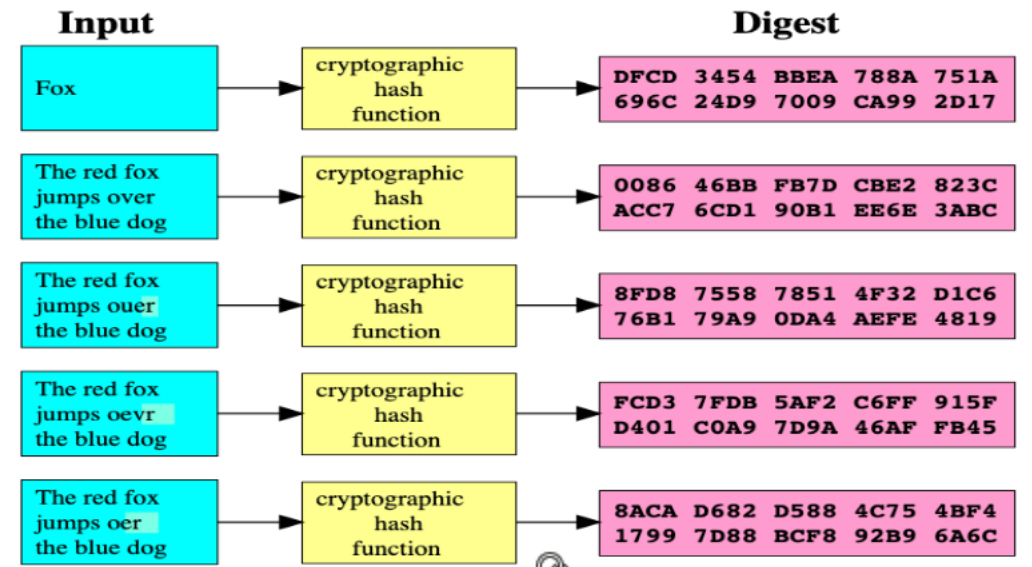
For example, the folding method of data hashing, which is one of the simplest methods, takes input (e.g., 937482648)
and could use a folding function of 3 (i.e. 937 + 482 + 648) to get the hash value. This would give a hash value of 2067.
If the input was a password, when the password is entered, the same function can be performed and if the hash value is 2067, the result is a success.
By hashing a new password input (rather than unhashing the stored value), the security and anonymity of passwords can be maintained.
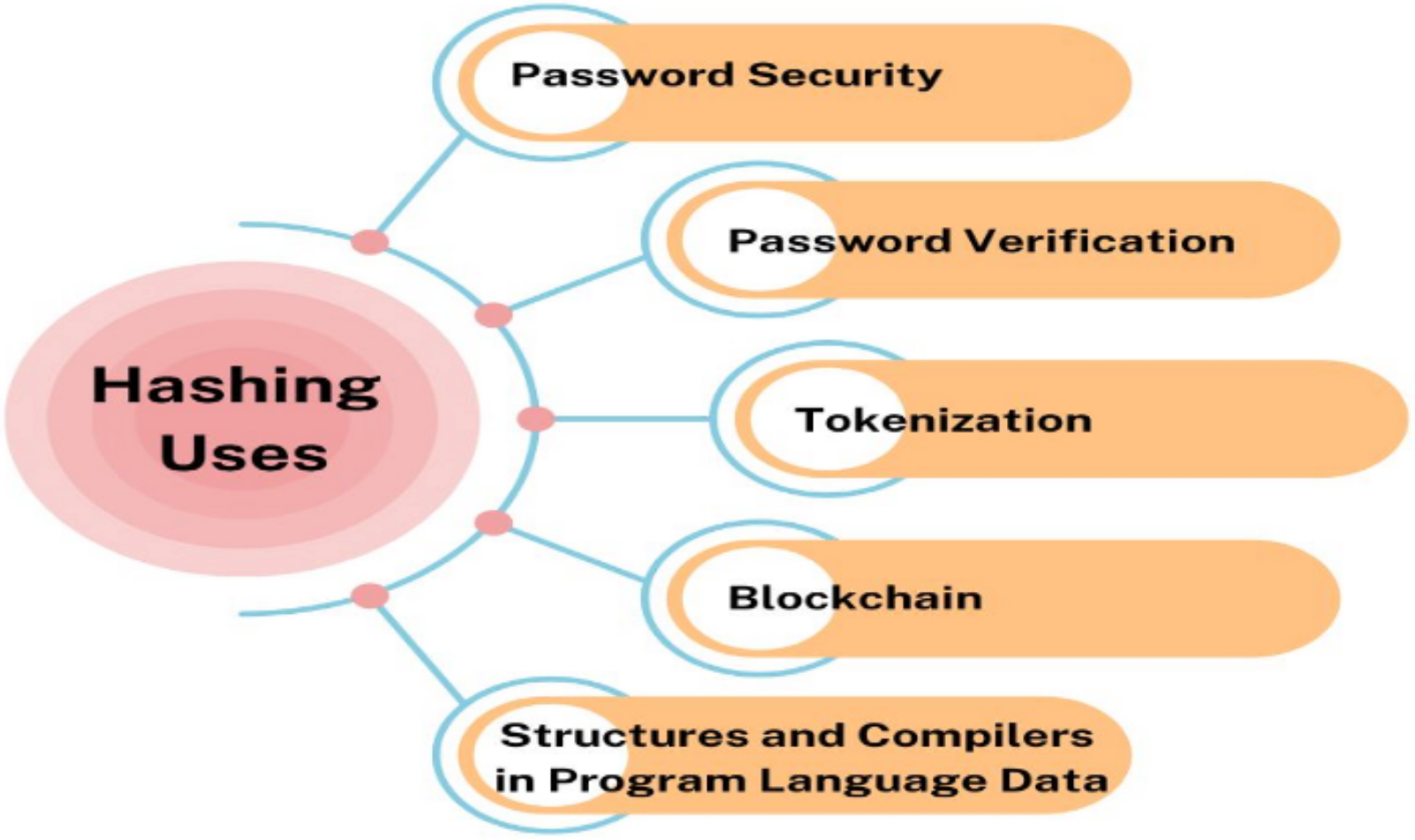
Data hashing is considered one of the basic pillars of computer security.
Understanding hashing is crucial for anyone interested in cybersecurity.
This is especially important as many modern developer and data engineer job interviews
require applicants to code or explain data hashing scripts.